Wicken Fen National Nature Reserve in Cambridgeshire just hit a milestone most places can only dream of: 10,000 recorded species! And get this—the key player in this biodiversity bonanza is none other than the six-belted clearwing moth, which fakes being a wasp. That’s right, it’s the world’s finest in insect impersonation, showing off six stylish yellow stripes to keep predators at bay. Somehow, this moth has turned its slimy life into a natural reality show!
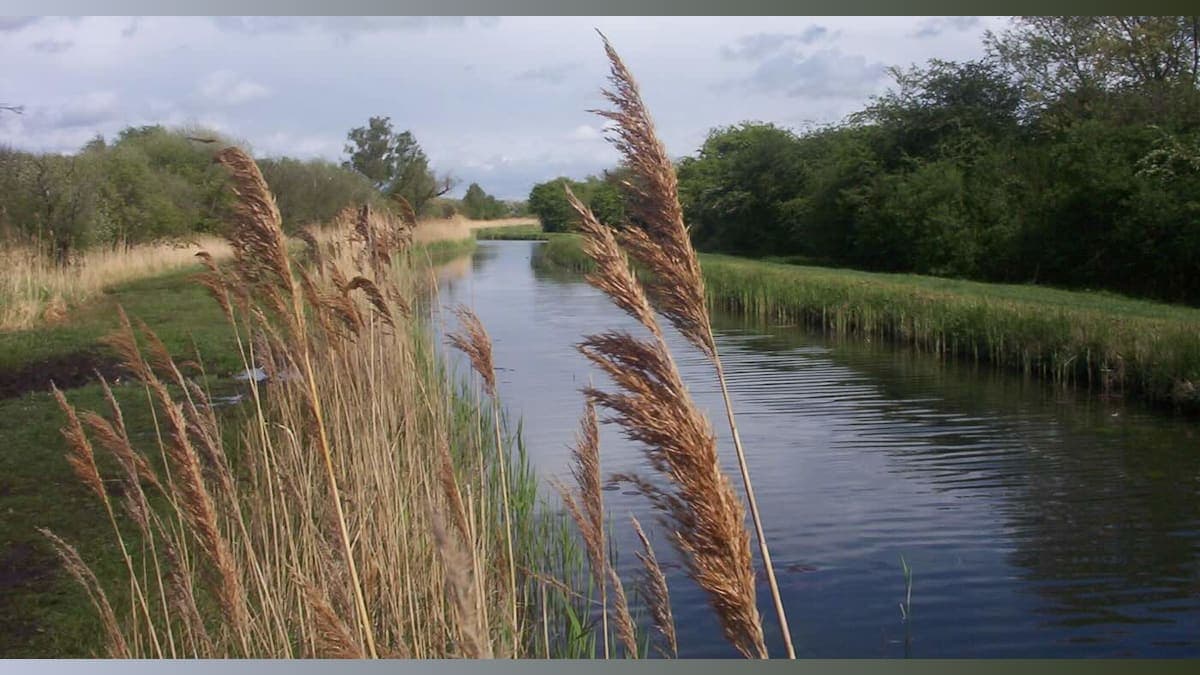
Over the past century, this serene piece of land has transformed from a tiny two-acre plot into an impressive 2,026 acres of wildlife wonderland. It’s a prime example of what a little TLC (and 126 years of conservation efforts) can do! The National Trust has done a fantastic job expanding the reserve, fostering an environment where new and exciting species are regularly discovered. Who could have guessed that behind all those lush green fields and tranquil waters, there lurks a hidden world of 10,000 living beings? Quite the party, huh?
But this isn’t just a tale of exceptional moths and wild species; it’s about conservation where every creature counts. The continuous effort to restore biodiversity doesn’t just benefit this quaint habitat—it teaches us all valuable lessons about respecting and preserving our planet. If you think about it, Wicken Fen’s success shows what can happen when nature is given the space and attention it deserves. So next time you spot a moth fluttering by, maybe give it a second look—it might just be wearing a disguise!