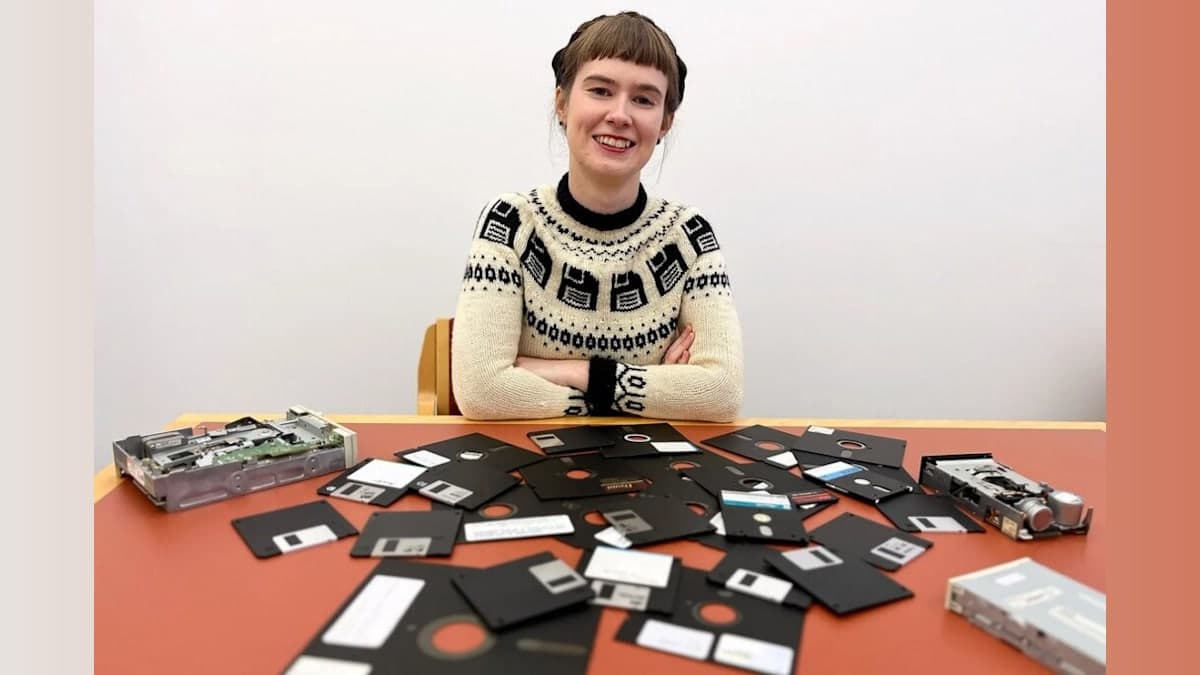
In a surprising twist of fate, a box of floppy disks once owned by physicist Stephen Hawking has sparked a rescue mission at Cambridge University. Archivists are on the hunt to extract and preserve historical writings hidden within these relics of the 20th century. Introducing the “Future Nostalgia” project, this initiative aims to ensure that the digital treasures from our past don’t slip into obscurity as floppy disks degrade and become unreadable. Who knew old tech could be so crucial?
As the team dives into this archival adventure, they face a myriad of challenges. Moldy disks, varied formats, and a ticking clock all pose threats to the mission’s success. Leontien Talboom, a member of the university’s digital preservation team, mentions that the past may well form a digital dark age if early computer writings aren’t preserved soon. It’s a race against time—one that makes your average tech enthusiast clutch their floppy disk collection a little tighter.
Each recovered disk could unlock a trove of lost knowledge, from scientific articles to poetic musings. Imagine stumbling across the thoughts of iconic figures and realizing you hold history in your hands! As they coax data from these dusty relics, it raises a question: What pieces of your own past might be collecting dust, just waiting for a chance to shine again? Perhaps it’s time to check those old boxes and see what buried treasures you might find!
In the end, it’s more than just about nostalgia. It speaks to our relationship with technology and the importance of preserving our digital heritage, quirks and all. Who knew a floppy disk rescue mission could bring this much excitement? Reminds you that tech may change, but our desire to connect with history remains unchanged.