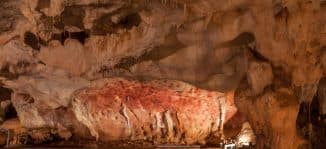
30 years ago today, the Chauvet-Pont-d’Arc Caves in southern France were uncovered, unveiling spectacular cave paintings that are around 32,000 years old. This site, resting on a limestone cliff above the Ardèche River, holds some of the very first and best-preserved examples of prehistoric art and engravings in the world. Imagine walking through a cave decorated with depictions of lions, deer, and even rhinoceroses—a glimpse into lives long gone!
What’s even more fascinating is that these caves not only showcase stunning artwork but also gave rise to incredible archaeological finds, including fossilized footprints potentially belonging to a child. It’s like opening a time capsule that speaks volumes about human existence. Unfortunately, due to damage inflicted on similar sites by tourism, these caves were closed to the public back in 1994 to safeguard their fragile beauty.
It’s hard to fathom how art made thousands of years ago still captures our imagination today. The techniques used by the artists are rarely seen in other caves, revealing a rich depth of storytelling in their work. Whether it’s exploring the daily lives of these ancient peoples or marveling at the artistry that has withstood the test of time, there’s no denying the impact of such discoveries on our understanding of history. Wouldn’t it be something to feel that connection with our ancestors?
About the Author
Andrew Johnson
hello I'm Andrew and I built LocalBeat!