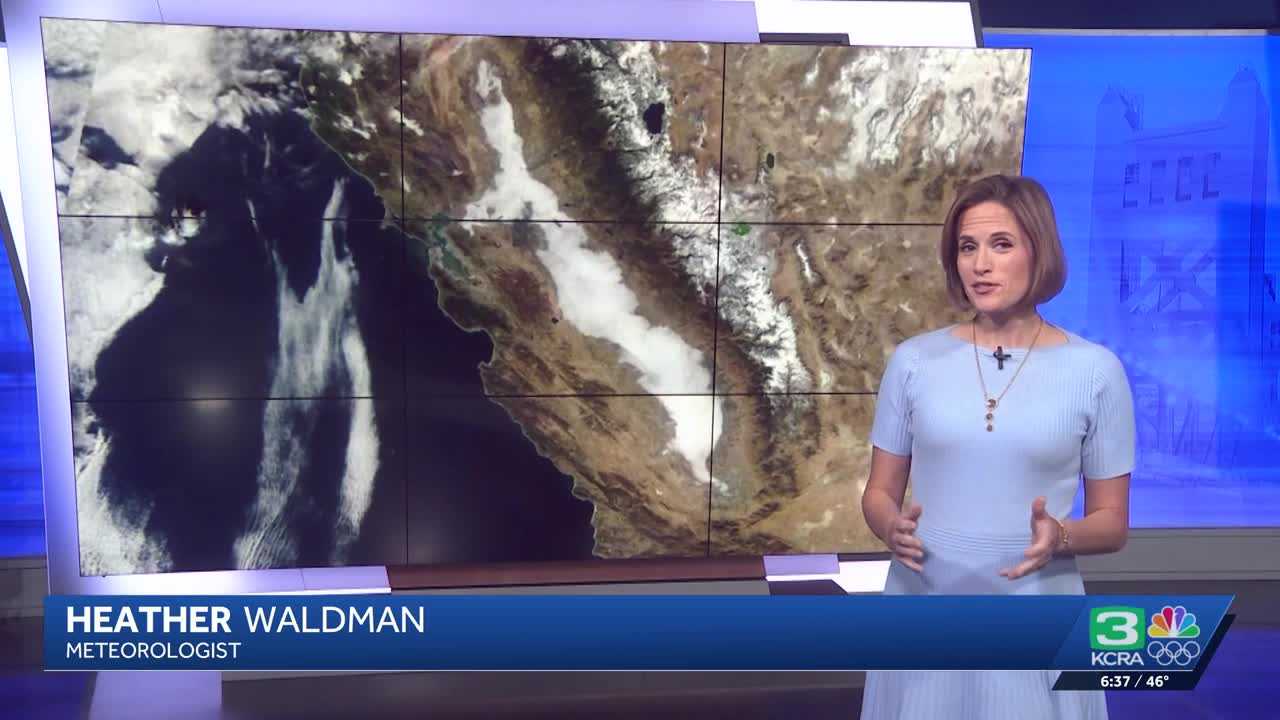
Tule fog is a common yet treacherous winter weather phenomenon in California’s Central Valley, creating dangerous driving conditions with its thick, low-lying blanket. It’s not just a nuisance for motorists; the infamous Tule fog has a darker side, having been linked to tragic accidents, including a catastrophic event in December 1997 that resulted in five deaths and 36 injuries on the I-5.
What many might not realize is that while this weather hazard creates headaches for drivers, it plays a crucial role for farmers relying on it to maintain healthy crops. Certain trees, like almonds and cherries, benefit from the cooling effects of the fog, which helps them stay dormant throughout the winter. With the fog’s prevalence reportedly dropping more than 50% since 1980, thanks to pollution regulations, some farmers are concerned about how this will impact their harvests in the coming years.
As farmers adapt their methods to counteract diminishing fog—like sprinkling water to mimic its effects or turning to tree varieties that can better withstand drier conditions—they leave behind the dense walls of fog that once gripped the Valley. So, do we cheer for clear roads or mourn the loss of winter’s natural moisture? Perhaps this weather dilemma is both a blessing and a curse. Either way, California’s foggy future is certainly shaping up to be a topic worth watching.
About the Author
Andrew Johnson
hello I'm Andrew and I built LocalBeat!