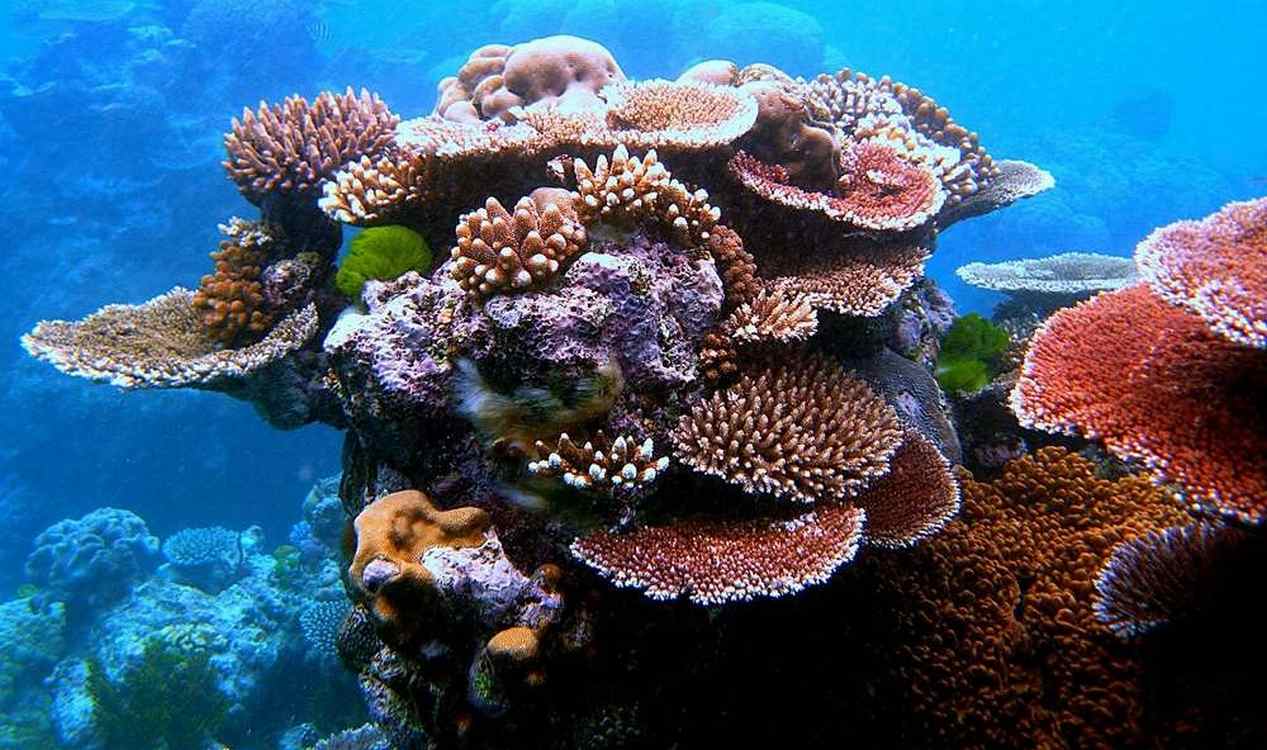
The Great Barrier Reef, a natural wonder facing increasing challenges, is getting a modern makeover with the help of artificial intelligence. Scientists at the Australian Institute of Marine Science are employing a robotic assistant called the Deployment Guidance System (DGS) to drop coral larvae onto damaged areas of the reef. This isn’t your average beach cleanup; we’re talking about a tech-savvy robot that scans the seabed to pinpoint the most promising spots for coral growth.
The exciting part? These devices aren’t just tossed in willy-nilly. They’re ceramic analogues that protect juvenile corals as they settle down and grow. Using a sophisticated deep-learning algorithm, the DGS ensures that coral is planted at the perfect moment, guided by years of research and ecological data. This collaboration between human knowledge and robotic precision is turning the tide for coral seeding efforts, making it easier to facilitate a thriving marine ecosystem.
Dr. Ben Moshirian, the brains behind this innovation, emphasizes that it’s not about robots replacing humans but enhancing the impact of scientific efforts on a larger scale. As the Deployment Guidance System evolves, so will the strategy for coral restoration, giving everyone who loves the ocean a chance to get involved in its rescue. Who knew preserving our reefs could involve robots—up next, will we see automated fish and turtle gardeners?
About the Author
Andrew Johnson
hello I'm Andrew and I built LocalBeat!