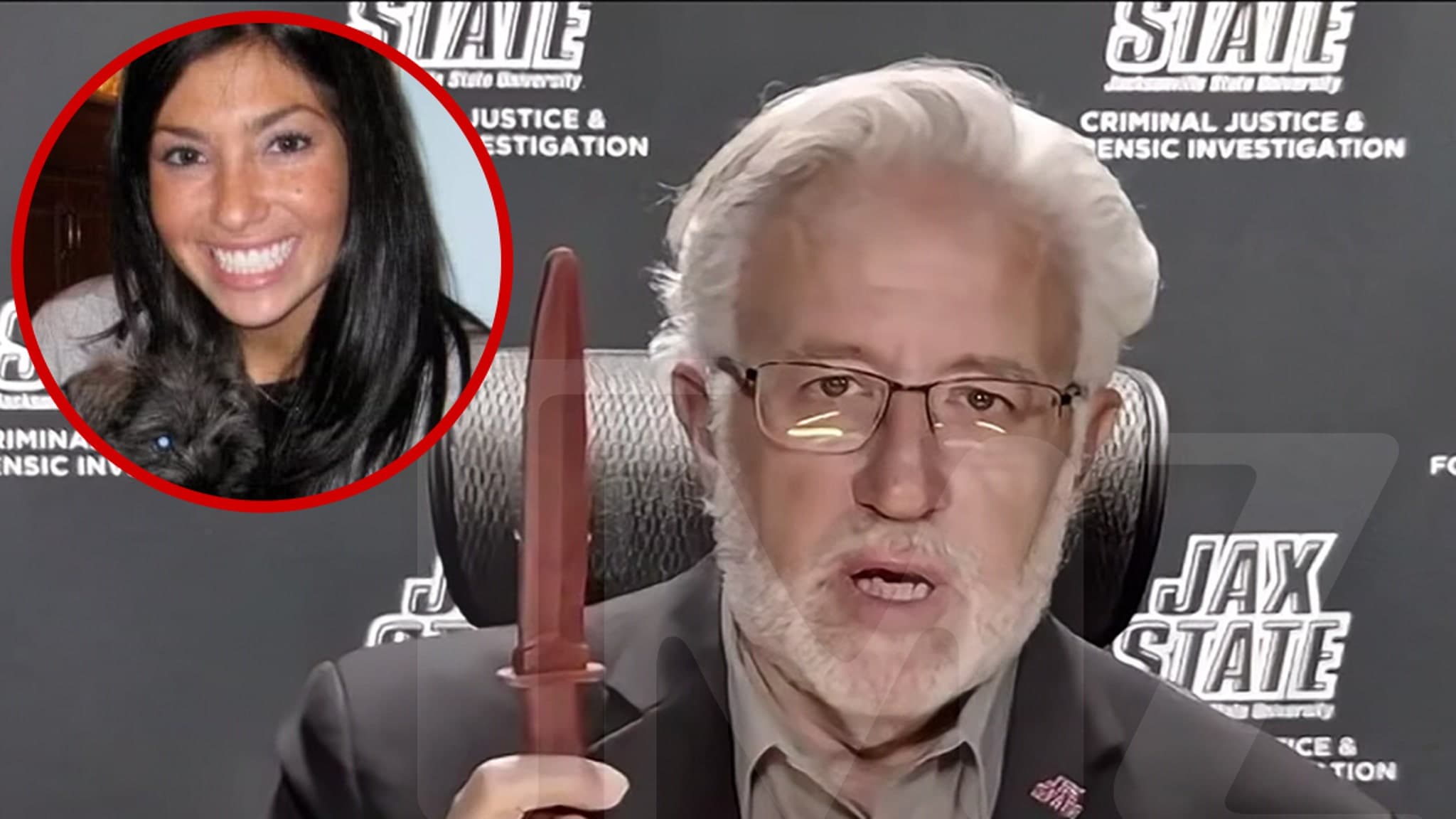
Ellen Greenberg’s case is back in the spotlight, and it’s not just for the creepy cocktail hour conversation starter. In a dramatic twist, her 2011 death, initially ruled a homicide, has been reaffirmed as a suicide by Philadelphia’s Chief Medical Examiner, Dr. Lindsay Simon. She’s standing by her call, even as forensic pathologist Joseph Scott Morgan raises serious eyebrows, claiming that the ruling is “biomechanically implausible.” I mean, stab wounds in the back of your head and neck—talk about an extreme self-care routine!
Morgan, who’s seen his fair share of bizarre cases, expressed his shock, saying it was like being knocked over with a feather. He argues there’s no way Ellen was in any mental state to react in such a frenzied manner. And let’s not forget the neuropathologist’s findings—the brain stem showed no hemorrhage where the knife passed through, leading some to wonder if the trauma occurred post-mortem. This whole situation has “mythbusters” written all over it, and I can’t help but think that maybe the medical examiners should switch to a more transparent approach for clarity’s sake.
As the debate swirls, Ellen’s family continues to push for the truth. It’s frustrating that something like this can left so unclear, but it begs the question: can we really trust everything we hear, especially in such emotionally-charged situations? So, what do you think? Are crime scene investigations a ripe target for misunderstanding, or is it time we look into just who is “part of the family” when it comes to justice?