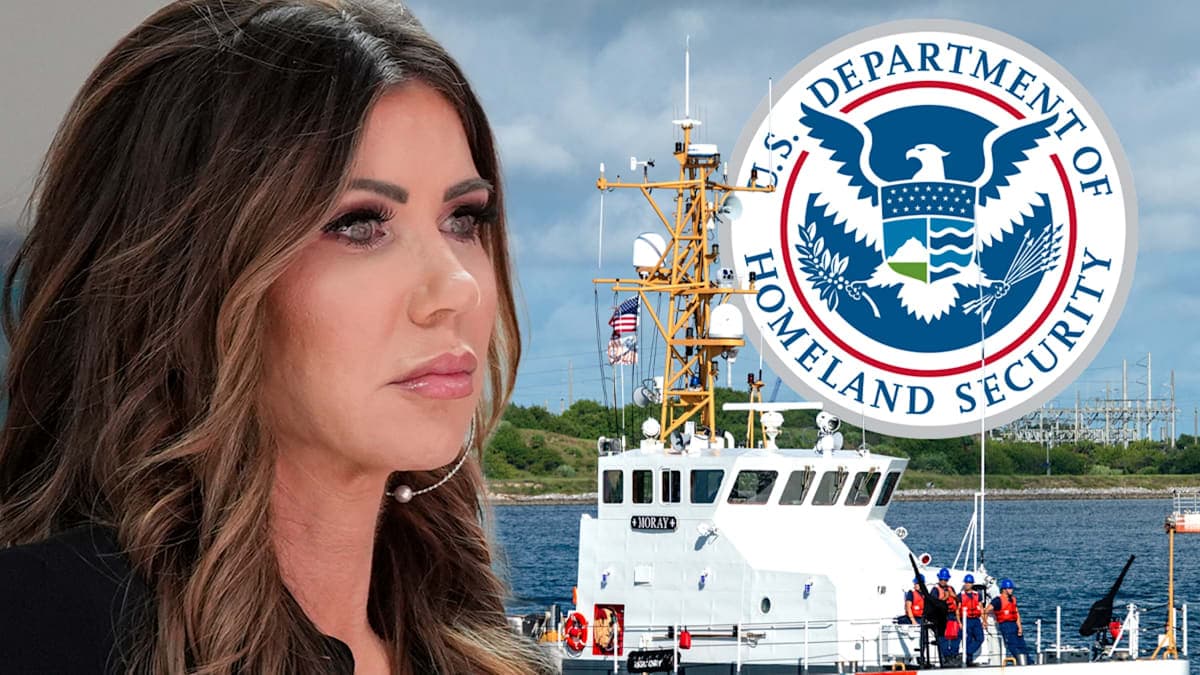
The U.S. Coast Guard is making waves with its new policy that redefines what constitutes a hate symbol. In a surprising turn, swastikas and nooses will now be tagged as“potentially divisive,”leaving many to question what this means for the culture within the service. The change is part of a broader initiative aiming to combat hazing and harassment, but the implications of this new language are already causing a stir.
Instead of being outright dismissed as hate symbols, these icons, along with the Confederate flag, will fall into a more ambiguous category starting next month. Critics might see this as a move to downplay the historical weight of these symbols, while others may argue it’s a nuanced attempt to foster an environment of discussion rather than outright exclusion.
As the Coast Guard shifts its stance, the question arises: does this policy help or hinder the fight against hate in military spaces? It’s a balancing act in a sensitive climate, and how this is received could redefine not just terminology but also the atmosphere among the ranks. Seems like “potentially divisive” may be the new buzzword—let’s hope it opens up more than it shuts down!

About the Author
Ava Hart
Ava Hart is a contributor to LocalBeat, covering local news and community stories.