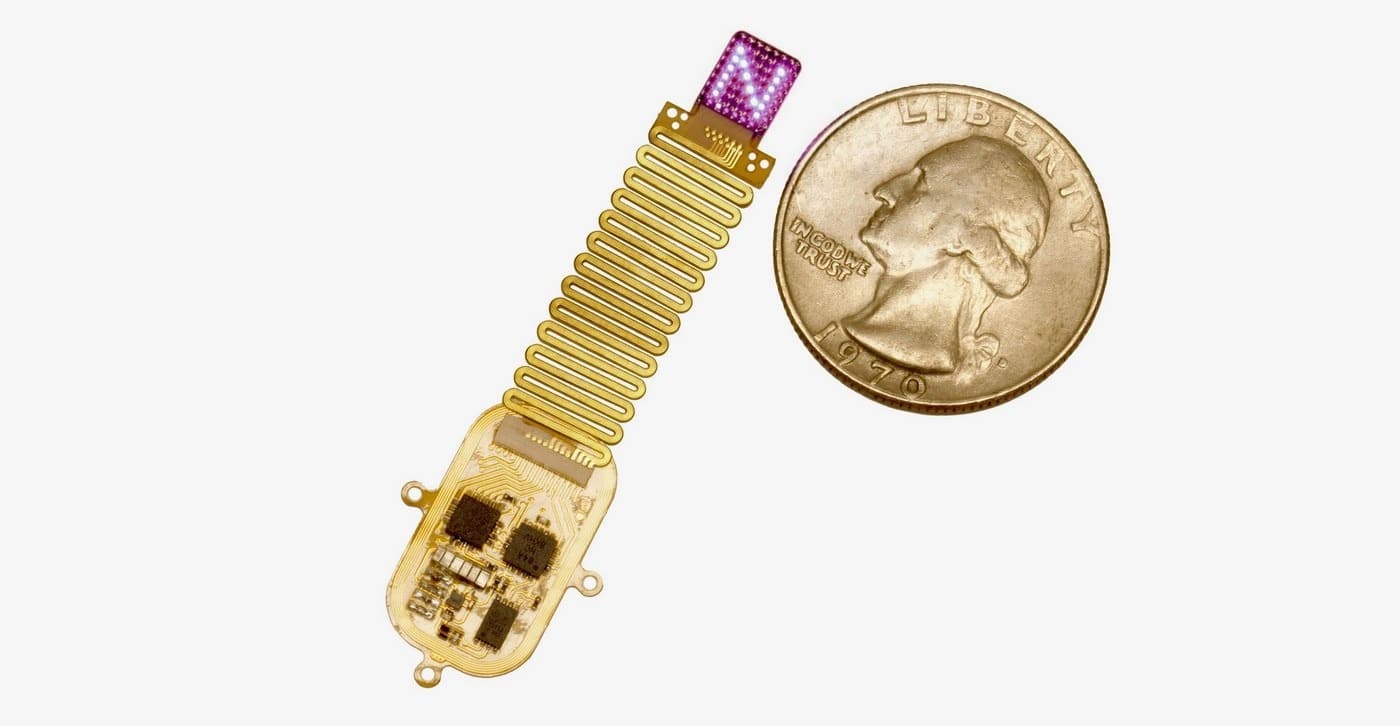
We’re living in an age where science fiction is morphing into reality—especially when it comes to technology that communicates directly with the brain. Researchers at Northwestern University have developed a wireless implant that uses light to relay information, potentially paving the way to restore lost senses. This groundbreaking device, roughly the size of a postage stamp, may revolutionize how we think about sensory perception and rehabilitation after injuries.
Imagine this: a tiny gadget that can control prosthetic limbs or help modulate pain without the need for harsh medications. In initial experiments, it effectively activated specific groups of neurons in mice brains. Those little critters surprisingly learned to interpret the light patterns as meaningful signals, showing promise for its future applications in humans. With the potential for painless pain management and enhanced sensory feedback, the implications are awe-inspiring!
While it’s no magic wand, this implant brings us a step closer to understanding how the brain functions and how we might mimic natural sensations. Scientists are even gearing up for more complex experiments to see just how many different patterns our brains can learn. If this tech gets any cooler, we might need a brain GPS just to navigate our own thoughts!
About the Author
Andrew Johnson
hello I'm Andrew and I built LocalBeat!